
Cultural villages in Uganda
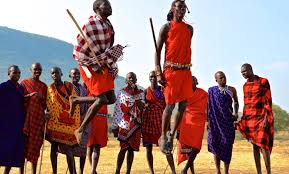
Cultural villages in Uganda are towns or places specifically designed to conserve, exhibit, and promote the many cultural traditions of the nation’s various ethnic groups. Uganda, also known as the “Pearl of Africa,” is home to more than 56 different tribes, each of which has its own language, traditions, music, art, and social norms. These cultural villages function as living museums, educational facilities, and tourist destinations that give residents and tourists from other countries an authentic and thorough opportunity to engage with Uganda’s cultural treasures.
Uganda’s identity and cultural history are reflected in cultural villages, which range from the pastoralist traditions of the Karamojong in the northeast to the Batwa who live in the forest in the southwest and the Buganda and Bunyoro kingdoms’ royal customs in the middle and western areas. As part of community-based tourism and heritage conservation initiatives, they are frequently constructed or maintained by local communities or funded by governmental and non-governmental groups. Some of these cultural villages include;
Entanda Cultural Village
Entanda Cultural Village is a community based cultural tourism site located in Kijjudde, Mityana District, about 80 kilometers (2 hrs drive) west of Kampala. It was established between 2013 and 2014 with the goals of empowering the local population via tourism and conserving the Buganda Kingdom’s traditions. Entanda’s name translates to “a treasured package,” symbolizing a cultural gift that has been handed down through the generations.
Visitors to Entanda are welcomed with traditional music and dance, followed by a fresh tropical fruit buffet. They may also participate in a variety of activities for instance, traditional cooking, manufacturing bark cloth, non-lethal and conservation-friendly hunting displays, planting trees, and playing traditional games like Omweso. Among the highlights are the Senga and Kojja speeches, in which esteemed elders impart cultural knowledge about relationships, family, and Buganda values.
Additionally, the community provides information on local crafts, beekeeping, banana growing, and herbal medicine. The entire experience is intended to be instructive and engaging without being manufactured or marketed. Group activities such as football games with locals and celebrations for the winning teams such as goat roasting are frequently enjoyed by visitors.
Entanda supports rural development, environmental protection, and cultural preservation. In addition to establishing a venue for cross-cultural learning and interaction, it boosts the local economy by generating employment and revenue from tourists. Prices average approximately UGX 60,000 (about USD 20) without including transportation and the event usually lasts a whole day.
Ewaffe Cultural Village
Ewaffe Cultural Village is located in Naggalama, Mukono District, about 35 km from Kampala and it is a community-based tourism site promoting Buganda cultural heritage. The word “Ewaffe” means “Our Home” in Luganda and the village is designed to provide visitors with a genuine experience of rural life and cultural traditions in central Uganda. Visitors to Ewaffe are welcomed with traditional Kiganda dance performances.
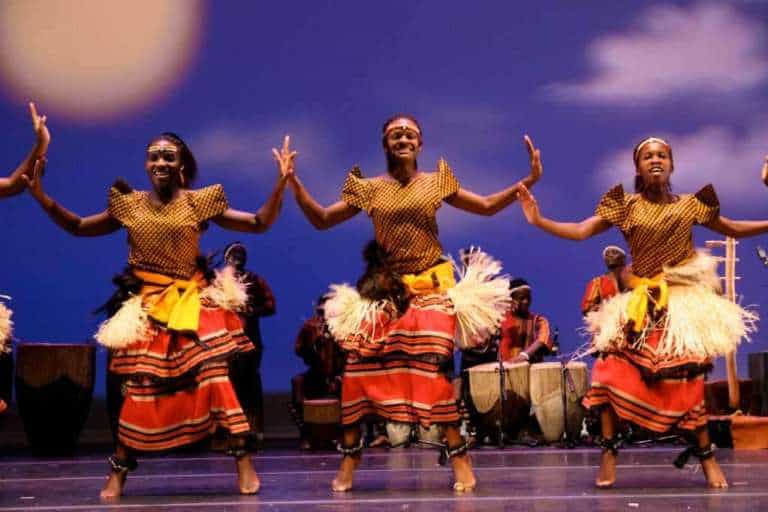
Activities offered include guided tours through traditional gardens and herb trails, local cooking experiences (e.g. making matooke and luwombo), banana juice and traditional alcohol brewing (like tonto), and hands-on sessions in bark cloth making, basket weaving, and traditional games. Guests also take part in rituals like fetching water from a communal well using clay pots and participating in cultural stories and traditional wisdom sessions led by local elders.
One of the unique features of Ewaffe is its adult-only cultural education sessions known as Ssenga and Kojja talks forums where elders guide younger generations on cultural values, marriage preparation, and social etiquette. Another culturally significant lesson is the demonstration of a traditional paternity ritual involving an umbilical cord and water, an insight into ancestral family practices.
The village serves as a model for cultural preservation, environmental sustainability, and sustainable community livelihoods. It is run primarily by local women and youth under the leadership of founder Aisha Nabwanika. Through this initiative, Ewaffe empowers rural families by involving them directly in tourism-based income-generating activities while also protecting and transmitting intangible cultural heritage. Ewaffe Cultural Village is a recognized tourism destination, having won awards such as the Ekkula Tourism Award for Cultural Heritage Champion and a recognition from the Ministry of Tourism on World Tourism Day for its outstanding cultural contributions.
Ndere cultural center
Ndere Cultural Centre is located in Ntinda–Kisaasi 20–30 minutes away from Kampala city center. The centre was founded in 1986 by Stephen Rwangyezi and it is home to the Ndere Troupe and Uganda Development Theatre Association (UDTA). It hosts live cultural shows three times a week: the Sherehe Show on Wednesdays, Afro-jazz performances on Fridays, and family-friendly cultural nights on Sundays. These performances showcase over 40 traditional dances and songs representing Uganda’s 56 tribes, performed with indigenous instruments like drums, flutes, and harps.
Aside from entertainment, the Center provides cultural workshops, drumming and dance lessons, and culinary experiences that allow guests to sample traditional Ugandan fare including rolex, luwombo, and matoke. It features lodging, a restaurant, a bar, conference spaces, and a gift store in addition to being an event space. By working with local communities, artists, and schools, the facility contributes significantly to cultural preservation, education, and community development.
Batwa cultural villages
The Batwa Cultural Experience is a cultural tourism initiative in southwestern Uganda, primarily in areas surrounding Bwindi Impenetrable National Park and Mgahinga Gorilla National Park. It was created to preserve and promote the heritage of the Batwa people, an indigenous forest dwelling community who once lived inside these forests as hunter gatherers. After the establishment of the national parks in the early 1990s, the Batwa were evicted from their ancestral lands without compensation, leading to challenges in livelihood, health, and cultural survival.
This experience allows visitors to explore Batwa traditions, including forest survival techniques, herbal medicine use, fire-making, traditional hunting methods, and the construction of forest homes. Participants are guided by Batwa themselves, who narrate their history, perform dances, songs, and storytelling, and engage guests in daily activities like food preparation and craft making. One of the most prominent programs is the “Batwa Trail” in Mgahinga, which includes a guided walk through the forest and sacred sites, ending in a cultural performance in a natural cave amphitheater.
The experience contributes to cultural preservation and economic empowerment. Revenue generated supports Batwa education, health services, housing, and promotes pride in their identity. It also serves as a tool for researchers studying indigenous cultures, post displacement adaptation, and the impact of conservation policies on native communities. The Batwa Cultural Experience is an example of community based tourism that emphasizes inclusivity, sustainability, and respect for indigenous rights.
Karamajong cultural villages
The Karamojong Cultural Village is found in northeastern Uganda, in the Karamoja region, which includes places like Moroto, Kotido, and Kaabong. This village gives visitors a chance to learn about the Karamojong people, one of Uganda’s most traditional communities. They are known for being pastoralists, which means they keep animals like cows, goats, and sheep, and depend on them for food, wealth, and status.
In the village, you can visit a Manyatta, which is a traditional Karamojong homestead. It is a group of huts surrounded by a strong fence made from thorns, built to protect both people and animals. Families live in these homesteads, and cattle stay in the center. These homes are made from mud, wood, and grass.
Visitors can take part in many activities to learn how the Karamojong live. You can help with milking cows, preparing traditional food, making crafts like beads and pots, and even trying out archery or wrestling, which are important in their culture. These experiences help people understand their daily life, roles of men and women, and how they survive in a dry environment.
One exciting part of the visit is the traditional dance and music. Karamojong dances involve jumping, singing, and drumming, usually around a fire in the evening. Storytelling is also a big part of their culture. Elders share stories and history that have been passed down for generations.
You can also join a Kraal Experience, where you sleep near the animals with local herders. This gives you a chance to live like a Karamojong, helping to herd animals, listen to local songs, and learn about how young boys are trained to become warriors. Nearby, there is the Karamoja Regional Museum in Moroto, which shows Karamojong history, tools, clothing, and more. This is useful for researchers who want more detailed information.
The cultural village is close to Kidepo Valley National Park, which means visitors can also combine culture with wildlife viewing. You can also visit other local tribes like the Ik people, who live on nearby mountains.
Ik Cultural Village
The Ik Cultural Village represents the traditional life of the Ik people, a small and unique ethnic group living in the highlands of Mount Morungole, in Kaabong District, northeastern Uganda. The Ik are known as the “Mountain People” because they live at high altitudes near Kidepo Valley National Park. The Ik speak Icé-tód, a rare language from the Kuliak family, which is unrelated to neighboring tribes.
They were originally hunter-gatherers but were forced into farming after losing their land and cattle to more dominant pastoralist groups. Today, they survive through subsistence farming, growing crops like millet and beans, and bee-keeping for honey. They keep small animals like goats and practice communal living in fenced compounds called odoks, made of huts (asaks), granaries, and animal pens.
Their culture includes festivals and rituals such as Itówé‑és (seed-blessing), Víber‑ika mεs (beer of the axes), and Inúmúm‑és (harvest celebration). These are expressions of their spiritual beliefs, agricultural cycles, and community bonding. Traditional crafts like pottery, beadwork, and basket weaving are still practiced. Their social structure is based on clans and families, and decisions are often made by elders. The Ik Cultural Experience involves a guided hike up Mount Morungole about 16 km round trip to reach their villages.
Nshenyi Cultural Village
Nshenyi Cultural Village is a traditional, community-based tourism destination located in Kitwe Town, Ntungamo District, in southwestern Uganda near the borders of Rwanda and Tanzania. The village lies in the countryside of rolling savanna hills, banana plantations, and open pastures, providing an authentic glimpse into the daily life of the Banyankole people, particularly their pastoralist heritage.
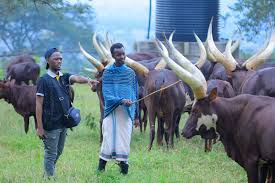
The village was established on historical grounds formerly part of the Nshyeni kingdom, the cultural village focuses on preserving and showcasing Ankole traditions, especially those centered around the long-horned Ankole cattle. Visitors can participate in daily activities such as cattle herding, milking, making ghee, and preparing traditional foods like matooke, millet bread, and banana juice. The community also demonstrates traditional veterinary practices and explains the cultural significance of cattle in Banyankole society, including naming ceremonies and dowry customs.
Cultural experiences include traditional Ankole music and dance performances, basket weaving, Batwa pottery making, storytelling, and visits to local markets, schools, and homesteads. Other activities that can be done include; birdwatching, guided walks, bee-harvesting demonstrations, and excursion to the nearby Kagera River, offering a view into Tanzania and access to Rwanda via Mirama Hills.
The village offers eco-friendly accommodations such as grass-thatched huts and bandas, with local meals provided. The site emphasizes responsible tourism by encouraging respectful engagement, ethical photography, and supporting local crafts and community initiatives instead of direct donations. Nshenyi Cultural Village also plays a key role in promoting agro-tourism in Uganda, serving as a model for how traditional culture and agriculture can support sustainable tourism and community development.
What one should know before visiting cultural villages
Visiting a cultural village offers a unique opportunity to experience and understand the traditions, customs, and daily life of local communities. To make the most of your visit, it is essential to approach it with respect, cultural sensitivity, and an open mind. Before visiting, take time to research the community’s history, cultural values, language, and etiquette. Book your visit through a reputable tour operator or local guide who works closely with the community to ensure an ethical and organized experience. Dress modestly and carry essential items, such as notebooks or cameras, only if permitted.
During the visit, always follow the guidelines provided by your hosts. Greet people respectfully, ask for permission before taking photos, and participate in activities like traditional dances, food preparation, or storytelling only if invited. Be attentive and avoid interrupting ceremonies or entering sacred areas without consent. It’s important not to judge or compare cultures; instead, observe and learn with humility. Ethical conduct is key, avoid giving money directly to individuals. Instead, support community projects or buy local handicrafts.