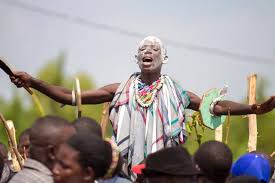
Imbalu ceremony in Bamasaba
The Imbalu ceremony is a traditional male circumcision ritual practiced mainly by the Bamasaaba (Bagisu) people of eastern Uganda and by closely related communities in western Kenya. It is one of the most significant cultural rites of passage in the Bugisu sub-region and represents the transition of boys into adulthood. Among the Bamasaaba, Imbalu is not simply a surgical act of circumcision but a complex cultural event that integrates ritual practices, music, dance, oral traditions, spiritual beliefs and strong community participation.
The ceremony symbolizes courage, maturity, identity, and belonging within the Bamasaaba society. A boy who successfully undergoes Imbalu is recognized as a man and becomes eligible to participate fully in adult social roles such as marriage, leadership within the family and active participation in community affairs.
History and origin
The origin of the Imbalu ceremony is embedded in the oral traditions and cultural history of the Bamasaaba people who live on the slopes of Mount Elgon in eastern Uganda. Cultural narratives often trace the roots of the ritual to the legendary ancestor Masaba from whom the Bamasaba people derive their name. According to traditional accounts, circumcision was introduced as a symbol of bravery and discipline and as a way of distinguishing men who were ready to take on responsibilities within the community.
Over time, the practice evolved into a structured cultural institution that defines manhood and social identity among the Bamasaaba. Elders, clan leaders and cultural custodians have continued to preserve the practice through oral teachings and communal ceremonies, ensuring that the tradition is passed on from generation to generation.
Imbalu is primarily practiced among the Bamasaaba people living in the Bugisu sub-region in eastern Uganda. The ceremony is common in districts around Mount Elgon such as Mbale, Bududa, Manafwa, Namisindwa, Sironko, and Bulambuli. These areas form the cultural heartland of the Bamasaaba community and host most of the ceremonies during the circumcision season. The ritual also extends beyond Uganda’s borders to related communities in western Kenya, particularly the Bukusu who share historical, linguistic and cultural ties with the Bamasaaba.
One of the most significant locations associated with the ceremony is Mutoto Cultural Grounds near Mbale City. This site is regarded as an important cultural center where the official launch of the Imbalu season usually takes place. The launch ceremony attracts cultural leaders, community elders, government representatives, and thousands of spectators.
How the Imbalu ceremony is practiced
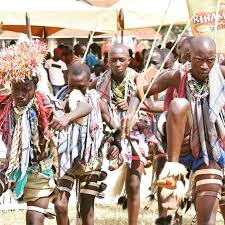
Traditionally, the Imbalu ceremony takes place every even year, forming a major cultural season in the Bugisu region. The ceremonies usually begin around August and continue until December. During this period, families organize circumcision ceremonies for their sons, and communities come together to celebrate through music, dancing, and communal gatherings.
The launch event at Mutoto Cultural Grounds marks the beginning of the season. This event is highly symbolic because it celebrates the continuity of the tradition and brings together the Bamasaaba community from different districts and even from neighboring countries.
The Imbalu ceremony involves several stages that prepare the initiate socially, culturally, and spiritually before the actual circumcision takes place. Preparation begins with visits to relatives and clan members, where the initiate is introduced and receives blessings and encouragement. These visits are often accompanied by celebrations, singing, and dancing, which serve to strengthen social bonds within the community.
A prominent element of the ceremony is the Kadodi dance, a traditional dance characterized by powerful drumming and energetic movements. The initiate dances through villages accompanied by friends, relatives, and drummers. Kadodi plays a vital role in motivating the initiate and announcing the upcoming circumcision to the community.
Before the circumcision, the initiate undergoes a hair-shaving ritual, which is traditionally performed by a paternal aunt. This act symbolizes purification and preparation for adulthood. In some cases, the initiate’s body may be smeared with substances such as millet flour, herbs, or clay obtained from natural areas believed to have spiritual significance.
The climax of the ceremony is the public circumcision, which is performed by an experienced traditional circumciser. The operation takes place in the presence of family members, elders, and community spectators. During the procedure, the initiate is expected to demonstrate courage by standing firm and not showing fear or pain. Bravery during this moment is highly valued because it reflects readiness for adult responsibilities.
Tools, materials and costumes used
Traditional circumcision during the Imbalu ceremony is carried out using a specially prepared sharp knife handled by the traditional circumciser. The knife is an important symbol of the ritual and must be used skillfully. Other materials used during the ceremony include herbs and medicinal plants that are believed to promote healing and protection. Water, cloths, and containers are also used to assist with the preparation and cleaning of the initiate.
The initiate and participants may wear distinctive cultural attire during the ceremony. The candidate is sometimes decorated with traditional wrappers, beads, leaves, and other symbolic ornaments. The body may also be smeared with clay or millet flour as part of ritual preparation. These decorations help identify the initiate and symbolize the importance of the ceremony.
Language, songs and cultural expressions
The Imbalu ceremony is conducted primarily in Lumasaba, the language spoken by the Bamasaaba people. Songs, chants, proverbs, and praise poetry are commonly used during the ceremony to encourage the initiate and celebrate the cultural tradition. Women and youth sing songs that praise courage and remind the initiate to remain strong during the ritual. Elders often use proverbs and traditional narratives to communicate advice about adulthood and social responsibilities.
Music and drumming play an important role throughout the ceremony, especially during the Kadodi dance. These artistic expressions represent key elements of the Bamasaaba’s intangible cultural heritage and help transmit cultural values to younger generations.
Customary values and practices governing Imbalu
The Imbalu ceremony involves participation from many members of the community. Traditional circumcisers perform the circumcision and are respected for their knowledge and experience. Elders guide the process, ensure that rituals are followed correctly and provide advice to the initiate and his family. Women, particularly mothers and aunts, provide emotional support, prepare food, and participate in singing and dancing during the celebrations. Young people and other community members take part in processions and cultural activities that accompany the ceremony.
The Imbalu ceremony is governed by strong cultural values that emphasize bravery, endurance, respect for elders, and loyalty to the community. The initiate is expected to show courage throughout the ceremony, especially during the circumcision itself. Showing fear or hesitation is discouraged because the ritual symbolizes strength and readiness for adult life.
The ceremony also reinforces social relationships and community unity. Families and clans gather to support the initiate, and the community collectively celebrates the transition from childhood to adulthood. Through this process, cultural identity and solidarity are strengthened.
Knowledge about the Imbalu ceremony is transmitted mainly through oral tradition and community participation. Elders teach the cultural significance of the ritual through storytelling, songs, and proverbs. Young boys grow up observing circumcision ceremonies within their communities, which helps them understand the values and expectations associated with the ritual.
Families play an important role in preparing boys for the ceremony by teaching them about courage, respect and responsibility. Participation in Kadodi dances and other cultural activities also helps younger generations learn about the tradition long before they become initiates.
Organizations and Institutions involved in Imbalu
Several organizations and institutions contribute to the preservation and promotion of the Imbalu ceremony. The cultural leadership of the Bamasaaba people, known as Inzu Ya Masaaba, plays a central role in guiding and organizing the ceremony. Cultural leaders and clan elders ensure that traditional practices are maintained while also promoting awareness about the cultural significance of the ritual.
Government institutions such as the Ministry of Gender, Labour and Social Development support the safeguarding of the ceremony as part of Uganda’s cultural heritage. Local governments, community organizations and cultural associations also participate in organizing events and ensuring that the ceremony continues to be practiced responsibly.
Tourism and the Imbalu ceremony
The Imbalu ceremony has increasingly become an important cultural tourism attraction in Uganda. During the circumcision season, many visitors from different parts of the country and from abroad travel to the Bugisu region to witness the celebrations associated with the ceremony. The official launch at Mutoto Cultural Grounds often attracts tourists, researchers, and cultural enthusiasts who are interested in experiencing authentic African cultural traditions.
The ceremony offers visitors an opportunity to observe traditional music, the Kadodi dance, cultural rituals, and community celebrations. Local communities benefit economically from tourism through the sale of crafts, food, accommodation, and other services to visitors. Cultural tourism associated with Imbalu also helps raise awareness about the cultural heritage of the Bamasaaba people and encourages the preservation of traditional practices.
Tour operators, cultural organizations and tourism authorities sometimes promote the Imbalu season as part of Uganda’s cultural tourism calendar. Visitors who attend the event are encouraged to respect cultural norms and traditions while observing the ceremony.
Challenges and threats to the Imbalu ceremony
Despite its cultural importance, the Imbalu ceremony faces several challenges. Modernization, urbanization, and changing lifestyles have influenced the attitudes of some young people toward traditional practices. Health concerns related to traditional circumcision methods have also raised discussions about safety and hygiene.
Additionally, issues related to children’s rights, consent and modern medical practices have created debates about how the ceremony should be practiced in contemporary society. These challenges require careful management to ensure that cultural traditions are preserved while addressing modern health and legal concerns.
Preservation efforts of Imbalu
Efforts are being made to safeguard the Imbalu ceremony and ensure its continued practice. Cultural institutions, community elders, and government agencies are working together to document and promote the tradition. Cultural festivals, educational programs, and community dialogues are used to strengthen appreciation of the ceremony among younger generations.
Collaboration between cultural leaders and health professionals has also been encouraged to improve safety and hygiene while maintaining the cultural significance of the ritual. These efforts aim to protect the Imbalu ceremony as an important part of Uganda’s intangible cultural heritage.
Importance of Imbalu in society
Today, the Imbalu ceremony continues to play a vital role in maintaining the cultural identity of the Bamasaaba people. It strengthens community unity, reinforces traditional values, and provides an opportunity for cultural expression through music, dance, and ritual practices. The ceremony also contributes to cultural tourism and promotes awareness of Uganda’s diverse cultural heritage.
Through continued community participation and preservation efforts, the Imbalu ceremony remains an important symbol of courage, identity, and cultural continuity among the Bamasaaba people.