Source of the Nile
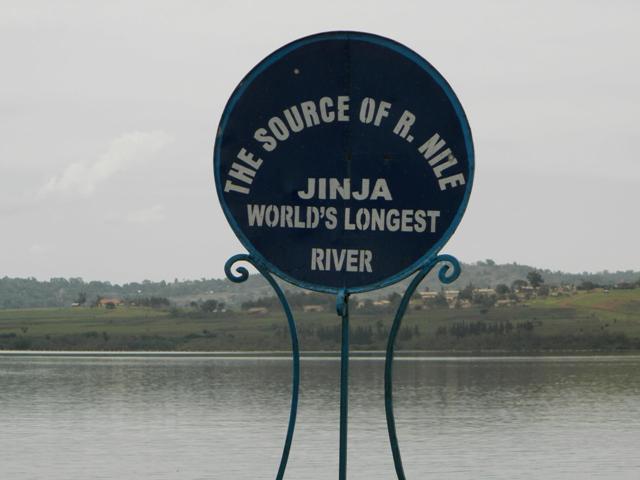
The source of the Nile is one of Uganda’s historical and geographical sites located in Jinja about 80 kilometers east of Kampala city. This is a point where River Nile begins its journey northwards from Lake Victoria. The site also marks the point where water flows out of Lake Victoria and forms the Nile which moves through different countries before reaching the Mediterranean sea where it pours its water.
The River Nile is the longest river in the world stretching more than 6696 kilometers passing through Uganda, South Sudan, Sudan and Egypt. The river has played a major role in the development of trade routes, civilizations and agriculture in the region for thousands of years.
History of the source of the Nile
For many centuries, people around the world did not know where the River Nile begins. Greek and Rome historians like Herodotus tried to write and guess where the Nile started but they never reached its true source. During the 18th and 19th centuries, European explorers became interested in finding the source of the Nile.
In 1856, British explorers John Hanning Speke and Richard Francis Burton started a journey from the East African coast to explore the interior of the continent. Their journey was difficult as they moved long distances on foot through forests, swamps and rough landscapes. They also faced diseases, hunger and exhaustion. However, their journey depended greatly on African porters, guides, translators and local leaders who helped them to find routes, food and safe places to stay.
During their journey, Burton and Speke first reached Lake Tanganyika. Burton believed that this lake might be connected to the Nile but Speke heard stories from local people about a larger lake located further north. Curious to see it, Speke continued the journey while Burton remained behind due to illness.
In 1858, Speke reached the shores of a vast lake known locally as Nalubaale. He was amazed by its size and believed that such a large body of water must be the main reservoir feeding the Nile River. He later named it Lake Victoria in honor of the British queen, Queen Victoria. Although Speke believed he had found the source, he had not yet seen where the river actually flowed out of the lake so some explorers and scientists were not convinced by his claim.
The disagreement between Speke and Burton became one of the biggest debates in geographical exploration at the time. Burton believed that Lake Tanganyika might still be connected to the Nile, while Speke insisted that Lake Victoria was the true source. To settle the matter, Speke organized another expedition a few years later.
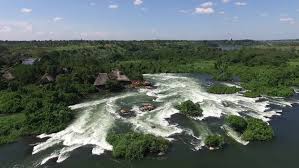
In 1862, Speke finally reached the northern part of Lake Victoria in present day Jinja city. There he saw water flowing out of the lake and forming the beginning of the Nile River. The water flowed over a small waterfall known as Ripon Falls. Speke declared that this point was the source of the Nile where the long river begins its journey north through South Sudan, Sudan and eventually into Egypt before reaching the Mediterranean Sea.
Even after this discovery, debates continued for some time. Speke planned to defend his findings in a public discussion with Burton in England but the debate never took place because Speke died in a hunting accident shortly before it was scheduled. Later geographical studies and mapping confirmed that Lake Victoria is indeed the main source of the White Nile which forms the longest part of the Nile River.
Today, the place where the Nile begins at Jinja has become an important historical and tourism site. Several monuments stand there to remember the events connected to the discovery of the river’s source. For instance,
One of the monuments is the Speke Monument which was built to mark the place where John Hanning Speke stood when he identified the river flowing out of Lake Victoria as the start of the Nile. The monument serves as a reminder of the 19th century exploration that helped bring global attention to the region.
Another monument at the site is dedicated to Mahatma Gandhi. After Gandhi died in 1948, part of his ashes were scattered in the Nile River at Jinja according to his wishes. A monument was later built near the river to honor his life and his message of peace and non-violence. The monument also reflects the historical presence of Indian communities in East Africa, many of whom lived and worked in Uganda during the colonial period.
Direction to the source of the Nile
The Source of the Nile is located in Jinja 80 kilometers east of Kampala city. The journey by road usually takes about 2 to 3 hours depending on traffic. If you are arriving through Entebbe International Airport, you first travel from Entebbe to Kampala. This road passes through towns and busy trading areas before reaching the capital city. From Kampala, the journey continues along the Kampala–Jinja Highway, the main road that connects central Uganda to eastern Uganda.
Travellers starting from Kampala follow the same highway toward Jinja. Along the way, you pass towns such as Mukono, Buikwe and several small trading center. The road also passes areas with farms, small markets and sugarcane plantations. These places show the everyday life of people living along the highway.
During the journey, travelers also pass near Mabira Forest Reserve, one of the largest natural forests in central Uganda. Mabira Forest is known for its thick trees, wildlife and many bird species. Animals such as monkeys and small forest animals live in the forest and many birds and butterflies can also be found there. Because the forest is close to the highway, many travelers stop there for a short break. Visitors can take nature walks, enjoy bird watching or simply relax in the quiet forest environment before continuing their journey to Jinja.
After passing the forest and continuing along the highway, travelers eventually reach Jinja town. From there, clear signs direct visitors to the Source of the Nile gardens, where the waters of Lake Victoria flow out and begin the long journey of the River Nile.
Visitors entering the site pay a small entrance fee. International visitors usually pay about 10 US dollars. East African citizens pay around 10,000 Uganda shillings, while Ugandan citizens pay about 5,000 Uganda shillings. The fee allows visitors to enter the gardens and view the place where the Nile begins. Boat rides on the river are also available for visitors who want to explore the area further.
Activities one can do
After visiting the source of the Nile, visitors can take part in several tourism activities in Jinja. Jinja is often called the adventure capital of Uganda because it offers a variety of outdoor and cultural experiences that can easily fit into a 1- day Jinja tour.
White water rafting
This activity takes place on the strong rapids of the River Nile especially in areas downstream from the Source of the Nile. White water rafting involves travelling in a strong inflatable boat guided by trained instructors while navigating powerful river rapids. Visitors are given safety gear such as helmets and life jackets before the activity begins. The rapids on the Nile are classified into different rafting grades which show how strong and challenging the water is.
In Jinja, rafting normally includes Grade 3, Grade 4 and Grade 5 rapids. Grade 3 rapids are moderate and are often suitable for beginners because the waves are manageable and the guide can easily control the boat. Grade 4 rapids are stronger and require teamwork while paddling, making the experience more exciting.
Grade 5 rapids are the most powerful commonly offered during rafting trips in Jinja and are usually chosen by visitors who want a more adventurous experience on the Nile. Some rafting routes pass through well known rapids along the Nile near Bujagali Falls where the fast moving water creates exciting rafting conditions.
Boat cruise on the Nile
Boat cruises allow visitors to move slowly along the river while enjoying the surrounding scenery and learning about the history of the Nile. During the cruise, visitors can see small islands, fishing villages and local fishermen using traditional fishing methods such as nets and small wooden boats. They also observe wildlife along the riverbanks. Boat cruises on the Nile are also popular for birdwatching. Several bird species live around the river and nearby wetlands. Visitors may see birds such as kingfishers, herons, cormorants and the African fish eagle. The cruise therefore offers an opportunity to observe the natural environment while moving gently along the river.
Some boat trips also take visitors closer to the exact point where the Nile leaves Lake Victoria. From the boat, visitors can clearly see the calm lake waters slowly forming the beginning of the Nile River. Boat cruises usually last between 30 minutes and one hour depending on the route chosen.
Tubing on the Nile
This is a fun and relaxed water activity that allows visitors to float along the river using a strong inflatable tube. Tubing is usually done in the calmer sections of the Nile and is guided by trained professionals to ensure safety.
During tubing, visitors sit or lie on larger rubber tubes while floating with the natural flow of the river. The tubes are designed to remain stable on the water and participants are provided with safety equipment such as life jackets and helmets. Guides accompany the group throughout the activity and give instructions on how to move safely along the river.
Tubing is often carried out in areas of the Nile with mild rapids which makes the experience enjoyable without being too extreme. Some parts of the activity may include small waves or gentle rapids giving visitors a light sense of adventure while allowing them to relax and enjoy scenery.
The activity is usually offered near areas downstream from the Source of the Nile where the river has sections that are safe for guided tubing experiences. Tubing trips normally last 1 to 2 hours depending on the section of the river used.
Bungee Jumping on the Nile
This activity allows visitors to jump from a high platform while attached to a strong elastic cord creating a free fall experience above the Nile. The jump usually takes place from a tall tower built along the river giving participants a clear view of the surroundings before they jump. The platform is about 44 meters above the water and when visitors jump, they experience a rapid drop before the elastic cord stretches and pulls them back upward. The movement continues for a few seconds until the jumper slowly comes to a stop above the river.
Before the jump begins, trained staff provide safety instructions and attach secure harness and ankle straps to the participants. All equipment used in bungee jumping is tested and designed to ensure safety during the activity.
Kayaking
Kayaking on the River Nile offers a chance to explore the river at your own pace. Unlike rafting, kayaking allows participants to control a single person or double kayak, paddling through calm sections of the Nile or navigating mild rapids. Kayaks are suitable for beginners as well as more experienced paddlers. Before starting, guides provide a short training session covering safety, paddling techniques and how to navigate the river. Life jackets and helmets are provided to ensure safety throughout the trip.
The activity can be done in calm stretches of the Nile or in sections with mild rapids for visitors seeking a bit more thrill. Kayakers have the chance to explore the river closely, enjoying views of the green riverbanks, small islands and local fishermen at work.
Quad biking
Quad biking offers an opportunity to visitors to explore the countryside, farms and trails around Jinja on four wheeled all terrain vehicles. Before starting, participants are given a short briefing on safety including how to operate the quad bike, speed control and protective equipment. Helmets and safety gear are provided to ensure a safe experience. Guides often accompany riders showing them the best trails and helping beginners feel comfortable with vehicles.
Quad biking routes vary depending on the tour provider but most go through scenic landscapes including dirt tracks, riverbanks, sugarcane plantations and small local villages. Some tours offer short adventurous challenges such as riding over small hills, muddy paths and gentle water crossings. This activity is suitable for beginners as well as more experienced riders. It is also family-friendly in many locations with double-seat quads available for those who prefer to ride with a guide or partner.