Ruhanga Owobusobozi Bisaka
Uganda has many religious traditions that reflect the country’s cultural diversity and history. Among the religious movements that began within the country is the Faith of Unity founded by Ruhanga Owobusobozi Bisaka. This movement began in western Uganda and has grown over years to attract thousands of followers. For believers, the religion represents unity, healing and a moral way of living. The movement has also influenced social life, local development and community organisations in the western region.
Ruhanga Owobusobozi Bisaka was born in 1930 in Kagadi District in western Uganda. He was raised in a Christian family and spent part of his early life working within the Catholic Church as a catechist, teaching Christian beliefs to others. Bisaka was also known for composing church hymns that were used in catholic worship. The faith of unity was started in 1980 after Bisaka received a spiritual message from God while composing a hymn called “Nkaikiriza Ruhanga murungi,” meaning “My God is Good.” After this experience, people began visiting him for prayers and spiritual help. Some claimed they experienced healing after meeting him. These events le d many followers to believe that God’s power was working through him. The religion later established its headquarters at Kapyemi hill.
The title Owobusobozi means power or ability and Bisaka means abundance or greatness. When combined, the phrase can be interpreted as “the one with great power and ability.”. However, the followers refer to their leader as Omukama Ruhanga Owobusobozi Bisaka which means “Lord God of great power.” This title reflects the belief that God’s power works through him to guide and help people.
Beliefs of the faith of unity
The faith of unity promotes several teachings that guide its followers and among them include;
Unity among people
One of the main messages of the religion is that people should live together in peace and unity, regardless of tribe or background.
Divine guidance
Followers believe that God’s power works through Ruhanga Bisaka, who was chosen to guide humanity spiritually.
Healing
Many believers say that prayers and blessings from Bisaka bring spiritual and physical healing.
Rejection of witchcraft
The religion discourages the use of witchcraft, charms, and harmful traditional practices.
Moral living
Members are encouraged to live honest, peaceful, and respectful lives. Members of the Faith of Unity are encouraged to follow several guiding principles in their daily lives.
Followers are expected to:
- Promote peace and unity
- Avoid witchcraft and harmful practices
- Attend prayer gatherings regularly
- Respect the teachings and leadership of Ruhanga Bisaka
- Live morally and peacefully
- Support fellow members of the community
Worship and special monthly gatherings
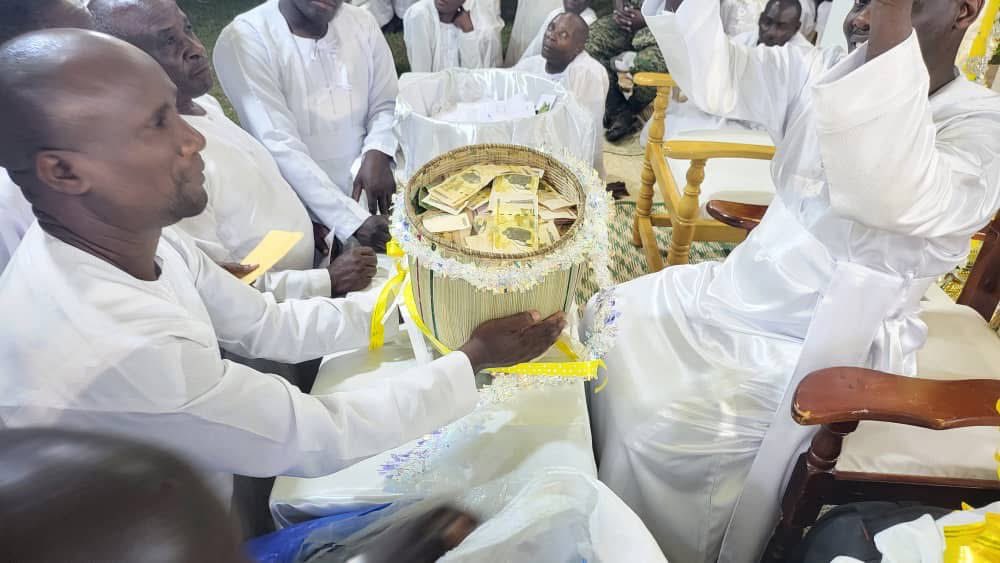
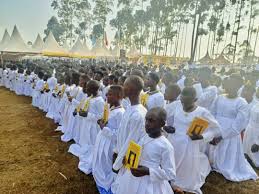
Followers of the Faith of Unity gather regularly for worship and prayer at different worship centers, especially at Kapyemi Hill. Many followers gather on Saturdays, which is one of the common days for prayer meetings. These gatherings usually include: singing religious songs, rhythmic clapping, collective prayer, listening to teachings. Within the Faith of Unity, the 12th and 22nd days of every month are considered special spiritual gathering days.
On these days:
- Thousands of followers travel to Kapyemi Hill.
- Special prayers and teachings are conducted.
- Believers seek blessings and healing.
- Community leaders within the religion guide worship.
These gatherings are often larger than regular meetings and attract followers from different districts across Uganda. The atmosphere during these gatherings is usually energetic, spiritual, and community-focused.
Large groups of followers gather together, creating a lively environment filled with: singing and rhythmic clapping, joyful expressions of faith, collective prayers and moments of reflection. Many people travel long distances to attend these gatherings, making them important social and spiritual events for followers. During major gatherings on the 12th and 22nd, the area around Kapyemi Hill becomes very active with worshippers, visitors, and traders.
Organizations and bodies connected to the faith of unity
Over time, the faith of unity has developed organized structures that help manage the movement. The religion has leadership bodies responsible for organizing worship activities and guiding followers. Apart from the headquarters at Kapyemi Hill, there are other worship centers where followers meet regularly. The movement encourages cooperation among followers and community support initiatives. The Government of Uganda recognizes the Faith of Unity as a religious organization, and some national leaders have attended major gatherings.
Over the years, the Faith of Unity has also gained political influence, especially in western Uganda. Because the movement has large numbers of followers, political leaders often pay attention to the community during elections or major public events. Leaders from the National Resistance Movement government have visited Kapyemi Hill during celebrations or gatherings to interact with followers. While the Faith of Unity itself is primarily a religious movement, its large following means it can influence political discussions and community decisions in some areas.
Influence of Ruhanga Bisaka in the region
The influence of Ruhanga Bisaka extends beyond religion.
Religious influence
The Faith of Unity has attracted followers from many districts, especially around Kagadi District and neighboring regions.
Social unity
The religion promotes peaceful coexistence and unity among communities.
Economic activity
Large gatherings at Kapyemi Hill attract visitors who support local businesses, transport services, and small traders.
Cultural influence
The movement has become part of the religious and cultural landscape of western Uganda.
Differences Between the Faith of Unity and Christianity
Although the movement developed among communities that were largely Christian, the Faith of Unity differs from Christianity in several ways.
Leadership
Christianity worships God through Jesus Christ, while the Faith of Unity believes God’s power works through Ruhanga Bisaka.
Sacred texts
Christianity follows the Bible as its main holy book, while the Faith of Unity focuses on teachings given within the movement.
Worship style
Christian church services include sermons and Bible readings, while Faith of Unity gatherings emphasize singing, clapping, and collective prayer.