Why Uganda should be your next safari destination
Uganda is often called the “Pearl of Africa,” a name first popularized by Winston Churchill after he visited the country in 1907. The country features breathtaking landscapes, wildlife and cultures. Unlike some safari destinations that are known mainly for wide savannahs and large herds of animals, Uganda provides a diverse safari experience. In Uganda, you can track mountain gorillas in thick rain forests, tree climbing lions in open savannahs, cruise along wildlife filled rivers and meet communities that have lived close to nature for generations. If you are looking for a destination that combines wildlife, adventure, culture and natural beauty, Uganda should definitely be your next safari destination.
Why Uganda is a unique safari destination
Uganda has different ecosystems which act as habitats for a variety of wildlife. In a single trip, travelers can experience tropical rainforests, savannah plains, wetlands and lakes, mountain landscapes and river valleys. This diversity supports over 1,000 bird species, more than 300 mammal species and numerous reptiles and amphibians.
Another reason Uganda is unique is the opportunity for primate encounters. Uganda is one of the best places in the world to see great apes in the wild. Visitors can trek through forests to observe gorillas and chimpanzees in their natural habitat.
Uganda also offers a less crowded safari experience compared to some other African destinations. This allows travelers to enjoy wildlife viewing in a more peaceful and natural environment.
Top wildlife experiences in Uganda
Uganda is home to a range of wildlife experiences that attract travelers from around the world.
Gorilla trekking
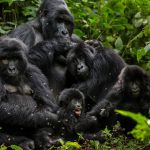
This activity takes place in the forests of Bwindi Impenetrable National Park and Mgahinga Gorilla National Park. Uganda is home to almost half of the world’s remaining mountain gorillas. Gorillas live in small family groups led by a dominant silverback.
During a gorilla trek, visitors hike through dense forest with experienced guides and trackers until they locate a gorilla family. Once found, visitors are allowed to spend one hour observing the gorillas as they feed, groom and interact with each other. Seeing these endangered animals up close in their natural environment is one of the most powerful wildlife experiences.
Chimpanzee tracking
Another thrilling experience in Uganda is chimpanzee tracking. The best place for this activity is Kibale National Park which is often referred to as the “primate capital of the world.”
Chimpanzees share nearly 98% of their DNA with humans. Watching them interact in the forest is both fascinating and educational. Visitors may see chimpanzees swinging through trees, calling loudly across the forest, grooming each other, or searching for food. Other places where chimpanzee tracking is possible include Budongo Forest and Kyambura Gorge.
Game drives
Uganda offers game drives in several national parks. For instance, in Queen Elizabeth National Park, visitors can see animals such as: lions, elephants, buffalo, leopards and Uganda kob. One of the park’s most famous attractions is the tree-climbing lions found in the Ishasha sector. These lions often rest on the branches of large fig trees, a behavior that is rarely seen elsewhere in Africa. Game drives in Murchison Falls National Park provide opportunities to see giraffes, antelopes, elephants, and predators across wide savannah plains.
Boat Safaris
Boat safaris are another wildlife experience in Uganda. One of the best boat trips takes place along the Kazinga Channel in Queen Elizabeth National Park. The channel connects Lake Edward and Lake George and attracts large numbers of animals. During the cruise, visitors may see; hippos, crocodiles, buffalo, elephants and numerous bird species.
Another boat safari takes visitors to the base of the powerful waterfall in Murchison Falls National Park where the Nile River squeezes through a narrow gorge before plunging down in a dramatic cascade.
Best national parks to visit in Uganda
Uganda has 10 national parks each offering different wildlife experiences and landscapes.
Bwindi Impenetrable National Park
Bwindi Impenetrable National Park is a UNESCO World Heritage Site known for its dense rainforest and mountain gorillas. The forest is also home to many bird species and primates. The park’s mist-covered hills and ancient forests create one of the most magical safari environments in Africa.
Murchison Falls National Park
Murchison Falls National Park is Uganda’s largest national park. It is famous for the powerful waterfall where the Nile River forces its way through a narrow rock gorge. The park offers excellent wildlife viewing, including elephants, giraffes, lions and large numbers of birds.
Queen Elizabeth National Park
Queen Elizabeth National Park is one of Uganda’s most diverse parks. It includes savannah, wetlands, crater lakes and forests. The park is particularly famous for its tree-climbing lions and the wildlife-rich Kazinga Channel.
Kidepo Valley National Park
The park is located in the remote northeastern part of Uganda. Kidepo Valley National Park is often described as one of Africa’s most beautiful wilderness areas. The park offers spectacular landscapes, large herds of animals and a true sense of adventure due to its remote location.
Cultural experiences in Uganda
A safari in Uganda is not only about wildlife. It is also an opportunity to experience the country’s rich cultural heritage. Uganda has more than 50 ethnic groups each with its own traditions, languages and customs.
Visitors can enjoy cultural experiences such as; traditional dance performances, community village walks, local craft markets and traditional food tasting. Near Bwindi Impenetrable National Park, travelers can visit the Batwa communities who were once forest hunters and gatherers.
In northeastern, near Kidepo Valley National Park, travelers can learn about the pastoral traditions of the Karamojong people. These cultural interactions help visitors understand the deep connection between people, wildlife and the environment.
Best time to visit Uganda
Uganda can be visited all year round, but the best time for safaris is during the dry seasons between the months of June and September, December and February. During these months, wildlife viewing is easier because animals gather around water sources and vegetation is less dense. However, the rainy seasons also have advantages. The landscapes become greener, birdlife is abundant and there are often fewer tourists.
Safari activities available in Uganda
The country offers a wide variety of safari activities for travelers. Popular activities include: gorilla trekking, chimpanzee tracking, game drives, boat safaris, bird watching, nature walks and cultural tours. For adventurous travelers, Uganda also offers mountain climbing, including hiking in the Rwenzori Mountains National Park.
Accessibility and travel routes
Most international travelers arrive in Uganda through Entebbe International Airport located near Lake Victoria. From there, visitors can travel to national parks by road or domestic flights.
Road journeys are common and allow travelers to see Uganda’s countryside, towns and landscapes along the way. Many safaris begin in the capital city of Kampala before heading to national parks across the country.
Safety and Travel Tips
Uganda is generally considered a safe destination for tourists, especially within national parks and organized safari tours.
Travel tips include:
- Always follow instructions from park guides and rangers.
- Book activities like gorilla trekking permits in advance.
- Carry light rain gear for forest treks.
- Respect wildlife and keep safe distances.
Travelers are also encouraged to support responsible tourism practices that protect wildlife and benefit local communities.
Connection between tourism and conservation
Tourism plays an important role in protecting Uganda’s wildlife. Revenue from activities such as gorilla trekking helps fund conservation programs managed by the Uganda Wildlife Authority. Part of this revenue is also shared with nearby communities to support; schools, health centers and local infrastructure
When communities benefit from tourism, they are more likely to support wildlife conservation and protect natural habitats.