The Ugandan people: Warmth and hospitality
Ugandans are known for their friendly nature, welcoming attitude and strong sense of community. Hospitality is part of social life, shaped by cultural values, family upbringing, respect and traditions of sharing. In many communities, children grow up learning to welcome visitors, respect elders, help neighbors and care for others.
When someone visits a home or community for the first time, they are often received with warm greetings and friendly conversation. The host may ask where the visitor comes from, introduce themselves, offer a seat and make them feel comfortable. Depending on the community and household, guests may be offered drinking water, tea, a meal or other refreshments. It is also common for hosts to introduce visitors to other family members and enquire about their journey. In some homes, even an unexpected visitor is welcomed and offered whatever food or refreshments are available. Conversations with strangers start naturally and they can turn into meaningful exchanges whether riding in a taxi, browsing in local markets and attending a community gathering. All this is not performative or forced.
The friendly nature of many Ugandans comes from the way people are raised and the values they learn from their families and communities. Children are taught to respect visitors, help neighbors, share food and care for others. These values are also encouraged through cultural traditions, religious teachings and community life. They are passed from parents and grandparents to younger generations.
Hospitality is part of how many people relate to one another. Neighbours support each other during difficult times, families share meals and visitors are often treated with respect. Although customs differ across Uganda’s many ethnic communities, kindness and sharing are valued in many parts of the country.
So, what makes Ugandans so welcoming? The answer lies in everyday family life, traditional customs, community relationships, religion, and the value placed on treating others well. Uganda safaris introduces visitors to Uganda which helps them to meet its people, learn about their cultures and experience the friendly welcome that makes a visit to the country more personal.
What makes Ugandans warm and hospitable
The warmth and hospitality of Ugandans are influenced by the values people learn at home, their cultural traditions, strong family relationships, faith, and respect for visitors. In many communities, welcoming others is part of everyday life.
Cultural values and upbringing
Many Ugandan children grow up learning to respect elders, greet people politely, share with others and welcome visitors. Parents and grandparents teach them that a visitor should not be ignored or made to feel uncomfortable. Even when a family has little to offer, sharing what is available is often seen as a good thing to do. These lessons continue into adulthood. People carry the values they learn from their families into their workplaces, neighbourhoods and interactions with strangers. This is one reason visitors may receive friendly greetings and assistance even when meeting someone for the first time.
Strong communal bonds and clan relationships
Community relationships are important in many parts of Uganda. People often maintain close ties with relatives, neighbors and members of their clans. These relationships create a sense of belonging and responsibility towards others. In some communities, clans play an important role in family identity, marriage customs, cultural ceremonies and social support. Clan members may come together during weddings, funerals, naming ceremonies and other family events. Neighbours also support one another through farming activities, community work, and difficult times.
Growing up in communities where people depend on one another encourages sharing, cooperation and concern for others. Visitors may therefore be treated with the same kindness and respect that people show to members of their wider community.
Cultural and linguistic diversity
Uganda has more than 50 ethnic communities each with its own language, customs, greetings and traditions. This diversity exposes people to different ways of communicating and relating to one another. In many communities, greetings are part of showing respect. Someone meeting a visitor may first ask how they are, where they come from or how their journey has been before starting a conversation. Learning a few words in a local language can also help visitors feel welcomed.
Ugandans who grow up interacting with people from different cultural backgrounds may become familiar with different customs and ways of life. This can encourage curiosity, understanding and friendly interactions with people from other countries.
Deeply rooted faith
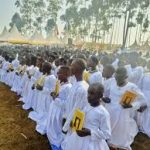
Faith plays an important role in the lives of many Ugandans. Christianity and Islam are the main religions while traditional African beliefs also remain part of some communities’ cultural practices. For many believers, kindness, generosity, forgiveness and helping others are parts of their faith. These values influence how people treat family members, neighbors, strangers and visitors. Religious gatherings also bring people together, creating opportunities to share, support one another and build friendships.
Religious and moral teachings
Religious and moral teachings encourage people to treat others with kindness and respect. In churches and mosques, people are often taught to care for those in need, give assistance where possible and welcome strangers. These teachings are also reinforced at home and within communities. Parents encourage children to share, speak respectfully and help people who need support. As a result, welcoming a visitor or helping a stranger is often viewed as a simple act of kindness rather than something that requires a special occasion.
Respect for visitors
In many Ugandan communities, receiving a visitor is treated as social responsibility. A guest arriving at a home for the first time is often welcomed with greetings and friendly conversation. The host may ask about their journey, offer them a seat and introduce them to other family members.
Depending on the household, visitors may be offered water, tea, a meal or whatever refreshments are available. It is also common for people to make time for their guests rather than rushing them away. Even an unexpected visitor may be welcomed and offered something to eat or drink. This attitude comes from the belief that guests should be treated with respect and made to feel comfortable. Some families also teach that receiving a visitor is an honour and an opportunity to share what they have.